
AI care management is becoming a practical priority for healthcare organizations that need better visibility into patient needs, follow-up tasks, and coordination gaps across the care journey. For operators managing rising complexity, it is not enough to add more manual outreach or more reporting. The real challenge is building a more responsive system for identifying risk, organizing next steps, and helping teams act consistently.
At its best, AI care management supports that system. It helps healthcare organizations surface high-risk patients earlier, standardize follow-up workflows, and improve coordination across teams and care settings. That does not mean replacing clinical judgment. It means giving care teams better operational support so they can focus attention where it matters most.
Organizations exploring this model often start with a broader question: how should operational support be structured as complexity grows? That is one reason many leaders also look at what is an MSO when evaluating how care management, workflow modernization, and operational infrastructure fit together.
What is AI care management?
AI care management is the use of AI-supported workflows, predictive logic, and operational coordination tools to improve how healthcare organizations identify patient needs, prioritize interventions, and manage follow-up activity. In practice, that can include flagging patients at higher risk of deterioration or readmission, helping teams sequence outreach, supporting transitions of care, and improving visibility into reporting.
This matters because care coordination is not just a communications task. According to AHRQ’s overview of care coordination, effective coordination depends on the deliberate organization of patient care activities and the sharing of information among everyone involved in the patient journey. In other words, care management depends on timely information, shared accountability, and structured execution.
That is where care management automation becomes useful. Instead of relying on fragmented spreadsheets, inboxes, and disconnected reminders, teams can use AI-supported logic to identify who needs outreach, what type of follow-up is appropriate, and where breakdowns may be developing.
Why AI care management matters now
Outpatient healthcare organizations are being asked to coordinate more across more touchpoints, with tighter staffing capacity and less room for avoidable friction. As medical groups, specialty practices, and ambulatory care teams manage more complex patient populations, the operational challenge is not just delivering care. It is making sure follow-up, care plan execution, referrals, and patient outreach happen consistently.
That does not make AI care management a trend term. It makes it an operational response to a real workflow problem.
Even though the CMS Hospital Readmissions Reduction Program is hospital-focused, it reflects a broader healthcare priority that also matters in outpatient settings: stronger care transitions, better follow-up, and fewer avoidable breakdowns after discharge or referral.
Outpatient teams often struggle with questions like these:
- Which patients need follow-up first?
- Where are coordination breakdowns most likely?
- Which patients are overdue for outreach or care-plan reinforcement?
- How can staff avoid spending too much time on low-priority manual review?
- How can leaders see whether coordination workflows are actually working?
Predictive tools are increasingly being used in healthcare to identify high-risk patients who may need additional follow-up or closer coordination. As noted in this ASTP/ONC data brief on predictive AI in hospitals, predictive AI use continues to expand across healthcare operations. While that dataset focuses on hospitals, the broader takeaway is still relevant for outpatient organizations: predictive care workflows are becoming part of mainstream planning wherever teams need better visibility, prioritization, and follow-up support.
How AI care management works in practice
AI care management works best when it supports real operational decisions rather than sitting in a dashboard no one uses.
Risk identification and prioritization
The first step is identifying patients who may need more proactive support. That may include individuals with inconsistent follow-up, multiple chronic conditions, rising utilization risk, unresolved care gaps, or transitions requiring closer coordination across providers and settings.
In outpatient settings, predictive models are often more useful when they help teams identify which patients may need earlier outreach, stronger care-plan reinforcement, or additional coordination support. Used well, this helps care teams move from reactive lists to prioritized work queues
Workflow routing and follow-up support
Once risk is identified, the next issue is execution. Care management automation can help route tasks to the right team members, trigger follow-up checkpoints, and improve consistency in outreach timing. This is especially valuable in organizations where care managers, nurses, social support staff, and administrative teams all touch the patient journey in different ways.
The benefit is not full automation. The benefit is fewer avoidable misses, more consistent timing, and clearer accountability.
Cross-setting coordination
Care coordination often breaks down during transitions: hospital to home, specialist to primary care, urgent visit to longitudinal follow-up, or inpatient discharge to community-based services. CMS specifically emphasizes the importance of communication and care coordination in discharge planning and post-discharge engagement as part of efforts to reduce avoidable readmissions.
For organizations focused on post-acute continuity, structured workflows tied to home health coordination can be particularly relevant. When patient status, outreach tasks, and follow-up responsibilities are clearer, it becomes easier to reduce handoff friction.
Where care management automation can make the biggest difference
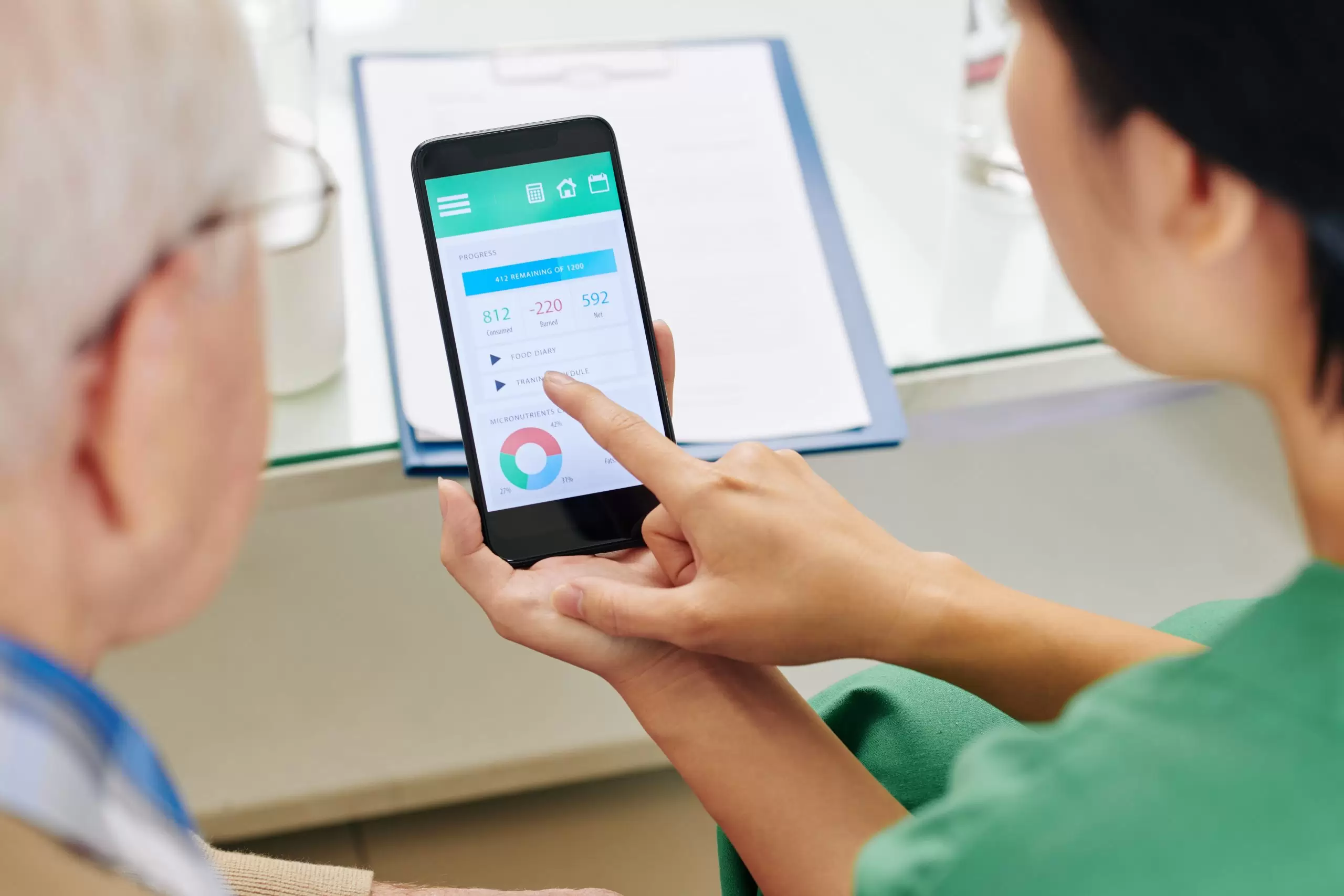
Not every organization starts in the same place, but care management automation is often most useful in workflows where teams need to prioritize limited time across large populations.
Common examples include:
- Transitional care follow-up after care transitions
- Chronic disease management workflows
- High-risk patient outreach
- Gaps in care review
- Appointment and referral follow-up
- Home-based care coordination
- Multi-site care team reporting
These use cases also depend on stronger information flow. Broader interoperability efforts, such as those described by HealthIT.gov, aim to improve coordination and the exchange of electronic health data across the care ecosystem. When teams cannot access the right data at the right time, even strong care management teams end up working with partial visibility.
That is one reason AI care management should be viewed as part of a broader operational model, not just a software feature.
Can AI care management help specialists reduce avoidable readmissions and follow-up gaps?
Yes, but the value in outpatient specialty care is not about managing hospital operations. It is about improving the coordination workflows that can influence what happens after a patient leaves the hospital, completes a procedure, or moves between specialists, primary care, and community-based support.
For specialists, avoidable readmissions are usually relevant as downstream outcomes of poor follow-up, incomplete adherence to the care plan, delayed outreach, referral breakdowns, or missed coordination after an acute event or treatment episode. That means the operational focus should stay on what the specialist team can control: timely follow-up, better patient coordination, and clearer visibility into which patients may need more attention after a transition in care.
AI patient coordination can support that by helping teams:
- Identify patients who may need closer follow-up sooner
- Organize timely outreach after a referral, procedure, or care transition
- escalate cases that need closer review
- reduce manual administrative review burden
- improve visibility into missed follow-up steps and unresolved care gaps
It is important to stay realistic. AI care management does not directly prevent readmissions on its own. What it can do is strengthen the outpatient workflows that support continuity, reinforce treatment plans, and help specialist teams stay connected to patients who may otherwise fall through the cracks.
For teams evaluating fit by organization type, the best next step is often reviewing who we serve to see how care management priorities vary across healthcare segments.
What to evaluate before adopting predictive care workflows
Before implementing predictive care workflows, healthcare leaders should first ask operational questions.
- What problem are we actually solving?
Is the priority readmission-related follow-up, chronic care coordination, outreach consistency, post-acute transitions, or visibility into high-risk populations? - Which teams will use the workflow?
A predictive model only matters if care managers, coordinators, nurses, or operational leaders can translate it into action. - What data supports the workflow?
Risk scoring and prioritization depend on data availability, workflow design, and coordination processes. Interoperability and data sharing are often foundational to making these workflows useful across care settings. - How will work be routed and tracked?
If a patient is flagged as high risk, what happens next? Who owns outreach? When is escalation required? What gets documented? - How will performance be reviewed?
Leaders need visibility into whether predictive care workflows are improving coordination, follow-up completion, and operational consistency over time.
AI care management is most effective when operations are designed around it
The biggest mistake organizations make is treating AI care management like a stand-alone technology category. In reality, it is an operating capability. It works when healthcare organizations align data visibility, coordination workflows, team responsibilities, and follow-up processes around patient needs.
That is why the conversation is bigger than software. It is about building more reliable healthcare management solutions that can support patient coordination without increasing administrative drag.
Healthcare organizations exploring this shift can start with AI Care Management to assess care coordination priorities, workflow opportunities, and implementation-focused support. For teams thinking more broadly about operating structure, service alignment, and management infrastructure, understanding what an MSO is can also provide useful context.
And for leaders ready to evaluate where AI-supported coordination fits into their organization’s growth and operations priorities, Karma Health AI offers an AI-enabled healthcare operations perspective designed for healthcare organizations navigating complexity.
Frequently Asked Questions:
- What is AI care management in healthcare?
AI care management uses AI-supported workflows and predictive logic to help healthcare organizations identify patient needs, prioritize outreach, and improve care coordination across teams and settings. - How is AI care management different from traditional care management?
Traditional care management often depends heavily on manual tracking and fragmented follow-up processes. AI care management adds workflow support, prioritization, and predictive insight to help teams act more consistently. - Can AI care management help specialists reduce avoidable readmissions and follow-up gaps?
AI care management can support coordination, follow-up, and prioritization workflows that influence downstream outcomes, such as avoidable readmissions, but for specialists, the main value is improving what happens after a procedure, referral, acute event, or care transition. Outcomes depend on implementation, staffing, workflow design, and patient population. - What are predictive care workflows?
Predictive care workflows use data analysis or machine learning to help identify patients who may need more timely intervention, additional follow-up, or closer monitoring. - Who benefits most from care management automation?
Care management automation is often most useful for healthcare organizations managing complex populations, post-discharge coordination, chronic care workflows, or multi-team outreach across multiple settings.